What is agentic AI, and how does it differ from traditional AI?
Agentic AI is artificial intelligence that sets its own steps toward a goal and adapts when conditions change. Traditional AI models answer a question or score a record and wait for the next instruction. An agentic AI system plans, calls your tools, checks its own result, and reruns the step when it fails, which is what lets it own a process rather than a single task.
What is the difference between generative AI and agentic AI?
Both sit under artificial intelligence and serve different purposes:
- Generative AI: creates new content such as text, images, code, or audio from existing data
- Agentic AI: decides the next step and executes actions across your systems
Generative models produce output for a person to use. Agentic AI systems complete the work, which is why they need memory, permissions, tracing, and an approval path that generative tools never require.
How much does agentic AI development cost?
An agentic AI PoC on a single process typically costs between $5,000 and $30,000 and takes about 4 to 6 weeks to build. Four things move the number: how many agents and tools the system orchestrates, how many of your systems the agents write to, the autonomy level each step needs, and how deep the evaluation runs before go-live. A read-only system costs far less than one that writes to your ERP under approval. Book a scoping call and the estimate comes back in writing.
What is the difference between an AI agent and agentic AI?
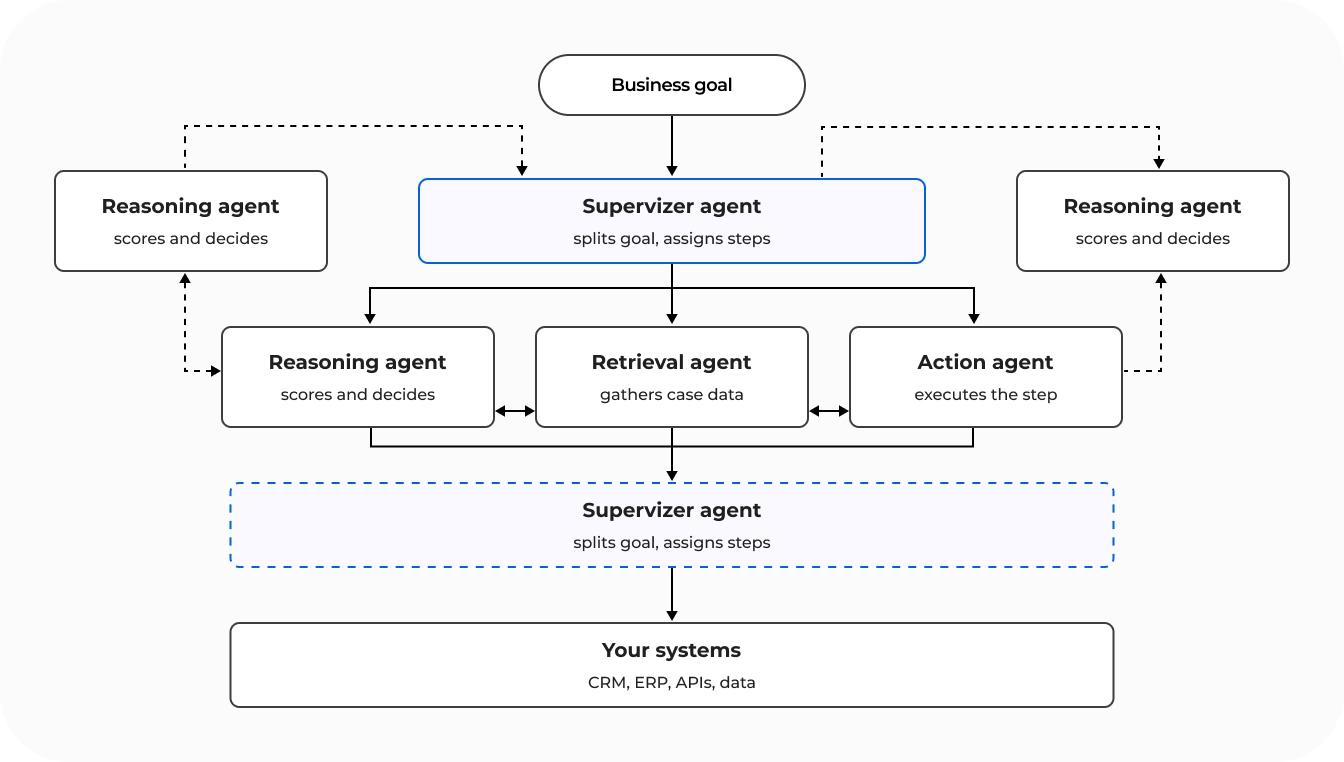
An AI agent is one program that completes a defined task, such as extracting codes from a document or answering a product question. Agentic AI is a system of such agents under an orchestration layer: they split a goal into steps, call each other and your tools, keep memory of what happened, and change the plan when a step fails. Most buyers start with a single agent and reach its limit within a quarter.
Which industries run agentic AI systems today?
Agentic AI is running in production across sectors where processes span several steps and several systems:
- Healthcare: claim lifecycles, clinical documentation, intake triage
- FinTech: fraud investigation, underwriting loops, standing compliance checks
- Ecommerce: replenishment chains, pricing agents, post-purchase resolution
- Logistics: shipment rerouting, exception handling across carriers
- Travel: itinerary replanning, revenue optimization
- Education: persistent learner agents, curriculum revision cycles
What is an example of agentic AI?
Agentic AI already runs multi-step processes across industries. Real-world examples include:
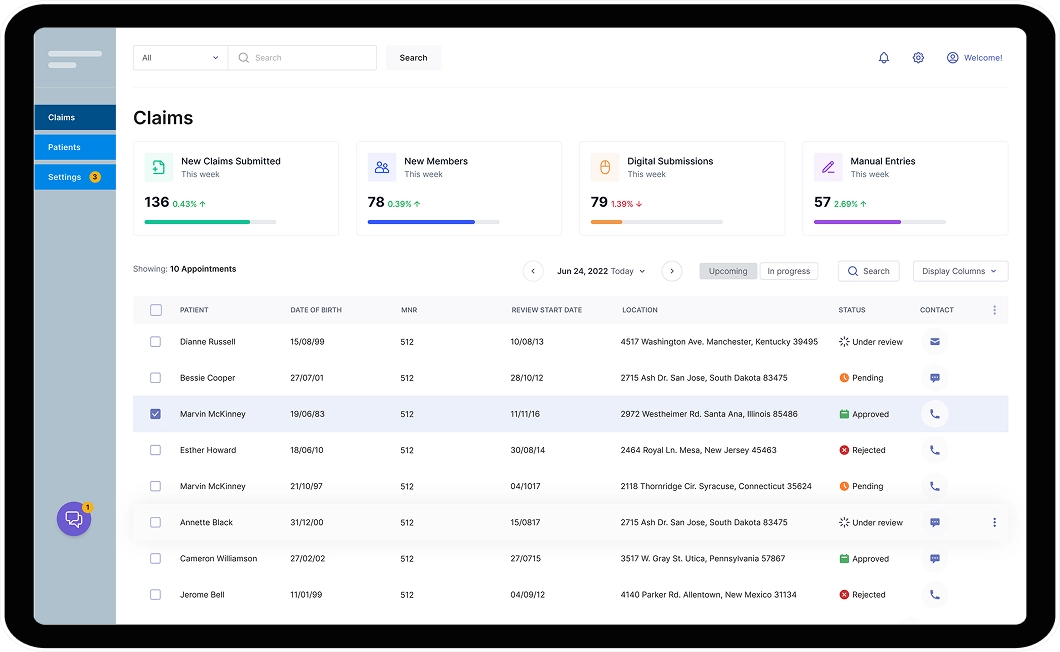
- Claim lifecycle handling — a coding agent and a policy agent work one case file until reimbursement closes
- Replenishment chains — a forecasting agent hands a shortfall to a purchasing agent that places the order and chases the supplier
- Shipment rerouting — agents rebuild a route when weather breaks the plan, then notify the customer with the new ETA
- Loan file assessment — agents request missing documents and re-score the file each time one arrives, then stop for approval above your risk threshold





















 Denmark